




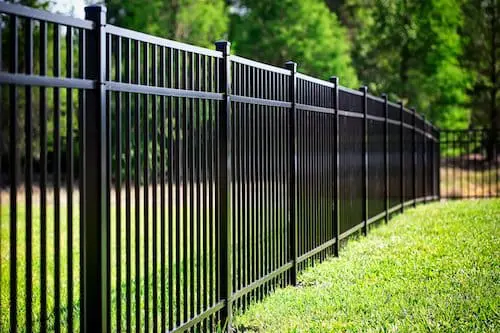
Installing a commercial fence is a smart investment for businesses looking to improve security, define property boundaries, enhance privacy, or increase curb appeal. However, one of the first questions property owners ask is, “How much do commercial fence contractors cost?” The answer depends on several factors, including the type of fencing, project size, materials, labor, terrain, and any custom features like gates or access control systems. Understanding these cost drivers will help you budget effectively and choose the right contractor for your project.
Average Cost of Hiring Commercial Fence Contractors
Commercial fencing projects are typically priced by the linear foot, although some contractors may provide a fixed quote after evaluating the property.
As a general guideline:
| Fence Type | Average Installed Cost (Per Linear Foot) |
| Chain Link | $8–$18 |
| Welded Wire | $6–$12 |
| Aluminum | $22–$35 |
| Ornamental Steel | $30–$50+ |
| High-Security Fencing | $45–$150+ |
Larger projects often benefit from lower per-foot pricing due to economies of scale, while premium materials and specialized security systems can significantly increase the total investment.
What Factors Affect Commercial Fence Installation Costs?
No two commercial fencing projects are exactly alike. Professional contractors evaluate multiple variables before preparing an estimate.
1. Fence Material
The material you choose has the greatest impact on the overall cost.
Some common options include:
- Chain link
- Vinyl
- Aluminum
- Ornamental steel
- Welded wire
- Anti-climb security fencing
Chain link remains one of the most economical choices for warehouses, storage yards, and industrial facilities, while ornamental steel and aluminum offer a more upscale appearance for offices and retail properties.
2. Total Linear Footage
The larger the property perimeter, the higher the total project cost.
However, many commercial fence contractors offer more competitive per-foot pricing for large installations because setup and mobilization costs are spread across a bigger project.
3. Fence Height
Commercial fences are commonly available in heights ranging from 4 to 12 feet or more.
Taller fences require:
- Additional materials
- Stronger posts
- Larger concrete footings
- More installation time
Security fences designed to deter climbing or unauthorized access generally cost more than standard perimeter fencing.
4. Site Conditions
Your property’s terrain can significantly affect installation costs.
Contractors consider factors such as:
- Rocky soil
- Sloped landscapes
- Tree roots
- Drainage issues
- Existing landscaping
- Limited equipment access
Difficult site conditions often require additional labor and specialized equipment, increasing the project’s overall cost.
5. Gate Installation
Many commercial properties require more than just fencing.
Additional features may include:
- Vehicle gates
- Pedestrian gates
- Sliding gates
- Swing gates
- Automatic gate operators
- Keypad entry systems
- Card readers
- Intercom systems
These features add convenience and security but also increase the total project budget.
6. Fence Removal
If an old fence must be removed before installation begins, contractors will usually include demolition and disposal costs in the estimate.
Removal costs depend on:
- Fence material
- Fence length
- Accessibility
- Disposal fees
7. Permits and Local Regulations
Commercial fence projects often require permits and inspections.
Costs may include:
- Permit applications
- Property surveys
- Utility locating
- Inspection fees
- Code compliance
Experienced contractors typically handle these requirements as part of the project planning process.
Labor Costs
Labor is a significant portion of any commercial fencing project.
Installation costs vary based on:
- Project complexity
- Fence material
- Site accessibility
- Crew size
- Local labor rates
Projects involving custom fabrication, heavy-duty steel fencing, or automated gates generally require more skilled labor and additional installation time.
Why Commercial Fence Estimates Can Vary
You may receive noticeably different quotes from different contractors.
Pricing differences often come down to:
- Material quality
- Fence specifications
- Warranty coverage
- Crew experience
- Equipment used
- Project management
- Site preparation included
- Cleanup services
The lowest estimate isn’t always the best value if it excludes important services or uses lower-quality materials.
Hidden Costs to Watch For
When reviewing proposals, ask whether the estimate includes:
- Site preparation
- Concrete footings
- Fence removal
- Gates
- Hardware
- Permit fees
- Cleanup
- Warranty coverage
- Haul-away services
A detailed estimate helps prevent unexpected expenses after construction begins.
How to Save Money Without Sacrificing Quality
You don’t necessarily need to choose the cheapest contractor to stay within budget.
Instead:
- Compare multiple written estimates.
- Select materials that match your security needs.
- Bundle gates and fencing into one project.
- Schedule installation during slower seasons if possible.
- Invest in durable materials that reduce future maintenance.
A well-installed fence often delivers better long-term value than a lower-priced installation that requires frequent repairs.
Why Hiring Professional Commercial Fence Contractors Is Worth It
Professional contractors offer much more than installation.
They provide:
- Site evaluations
- Material recommendations
- Permit assistance
- Code compliance
- Professional installation
- Quality workmanship
- Warranty protection
- Long-term maintenance advice
Their experience helps reduce delays, avoid costly mistakes, and ensure your fence performs reliably for years.
Questions to Ask Before Hiring Commercial Fence Contractors
Before signing a contract, ask:
- How many commercial projects have you completed?
- Are you licensed and insured?
- What materials do you recommend?
- Is the estimate itemized?
- How long will the installation take?
- What warranties do you offer?
- Will you handle permits and inspections?
- Are cleanup and disposal included?
These questions can help you compare contractors and make an informed decision.
Is Hiring Commercial Fence Contractors Worth the Cost?
While DIY installation may seem less expensive, commercial fencing projects require specialized tools, industry knowledge, and compliance with local regulations.
Hiring experienced commercial fence contractors offers several long-term benefits:
- Better workmanship
- Increased durability
- Faster project completion
- Professional appearance
- Improved property security
- Reduced maintenance costs
- Warranty protection
For most businesses, the long-term value of professional installation outweighs the initial savings of attempting the project yourself.
Conclusion
The cost of hiring commercial fence contractors depends on several factors, including fence material, project size, terrain, labor, gates, and security features. While every project is unique, investing in experienced professionals helps ensure your fence is installed correctly, complies with local regulations, and delivers reliable performance for years to come.
If you’re planning a commercial fencing project, SuperFenceCo provides high-quality fencing solutions tailored to the unique needs of businesses. From expert planning and premium materials to professional installation, SuperFenceCo is committed to delivering durable, secure, and long-lasting commercial fences that offer exceptional value for your investment.