




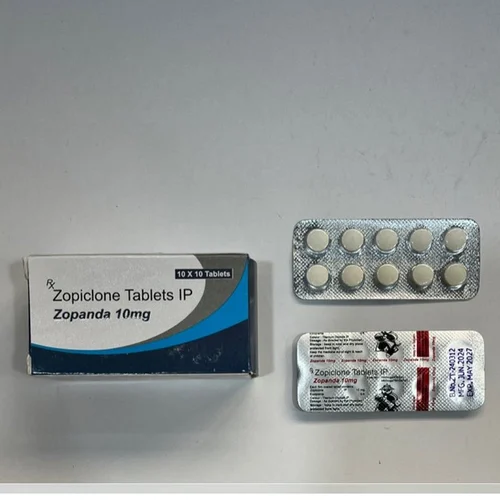
Sleep problems are common, but choosing the right sleeping tablet is never simple. Medicines like zopiclone, benzodiazepines, antihistamines, and newer “orexin blockers” all act differently in the brain, and doctors must carefully balance effectiveness, safety, dependence risk, and patient history before prescribing.
This article explains how zopiclone compares with other sleeping tablets and what clinicians consider before recommending treatment. The keyword “Zopiclone order UK” is included for informational context only, as prescribing decisions in the UK are strictly medical and regulated.
Understanding Zopiclone: A “Z-drug” Hypnotic
Zopiclone belongs to a class of medicines called “Z-drugs” (non-benzodiazepine hypnotics). These drugs act on the same GABA-A receptors in the brain as benzodiazepines, producing a calming and sedative effect that helps initiate sleep.
Although structurally different from benzodiazepines, research shows their overall effects are quite similar in practice, including benefits and risks such as sedation and dependence potential.
Doctors often prescribe zopiclone because it:
- Helps people fall asleep quickly
- Has a relatively short duration of action
- Is intended for short-term insomnia only
However, it is not considered a long-term solution.
Main Categories of Sleeping Tablets Doctors Compare
When deciding what to prescribe, doctors typically compare zopiclone with four main groups of sleep medicines:
1. Benzodiazepines (e.g., temazepam, diazepam)
These are older sedatives that also enhance GABA activity.
Key characteristics:
- Strong sedative effect
- High risk of tolerance and dependence
- More “hangover” drowsiness next day
Doctors now use them more cautiously than in the past, mainly for short-term or severe cases.
2. Other Z-drugs (zolpidem, zaleplon, eszopiclone)
Zopiclone belongs to this group.
Key similarities:
- Work on the same receptor system
- Similar effectiveness to benzodiazepines in many studies
- Short-term use recommended only
Differences within the group:
- Zolpidem: faster onset, shorter duration
- Zaleplon: very short action (useful for sleep onset only)
- Zopiclone: balanced onset and duration, but more bitter taste side effect
3. Melatonin-based treatments (e.g., ramelteon)
These work on the body’s natural sleep hormone system.
Key characteristics:
- Lower risk of dependence
- Mild sedative effect
- More effective for circadian rhythm problems than severe insomnia
Doctors may prefer these for long-term or elderly patients.
4. Newer orexin receptor antagonists (e.g., daridorexant)
These are newer alternatives that reduce wakefulness rather than directly sedating the brain.
Key characteristics:
- Lower dependence risk
- Can improve sleep quality and daytime alertness
- Higher cost and limited availability in some healthcare systems
How Zopiclone Compares to Other Sleeping Tablets
Doctors generally assess sleeping pills across five major dimensions:
1. Speed of sleep induction
- Zopiclone: fast (30–60 minutes)
- Zolpidem: very fast
- Benzodiazepines: moderate
- Melatonin drugs: slower
2. Sleep maintenance (staying asleep)
- Zopiclone: moderate
- Benzodiazepines: strong
- Zaleplon: weak (mainly helps fall asleep)
- Orexin blockers: strong and balanced
3. Dependence and tolerance risk
- High: benzodiazepines, Z-drugs (including zopiclone)
- Low: melatonin, orexin antagonists
Long-term use of zopiclone can lead to tolerance and withdrawal symptoms, which is why doctors restrict duration.
4. Daytime side effects
Doctors pay close attention to:
- Drowsiness
- Memory impairment
- Balance issues (especially in older adults)
Zopiclone and benzodiazepines both carry risk of next-day sedation, especially with repeated use.
5. Safety in specific populations
Doctors are more cautious if patients:
- Are elderly
- Have breathing disorders (like sleep apnoea)
- Have a history of substance dependence
- Take other sedating medicines
In such cases, alternatives may be preferred.
What Doctors Consider Before Prescribing
Prescribing a sleeping tablet is rarely automatic. Clinicians typically evaluate:
1. Cause of insomnia
Doctors first check whether insomnia is linked to:
- Stress or anxiety
- Depression
- Medical illness
- Poor sleep habits
- Shift work or circadian disruption
Treating the cause is usually more effective than medication alone.
2. Duration of sleep problem
- Acute insomnia (short-term): medication may be considered
- Chronic insomnia: therapy (especially CBT-I) is preferred first-line
3. Risk of dependence
Zopiclone is usually prescribed:
- For short periods only (often 1–2 weeks)
- With caution in patients with substance misuse history
4. Patient age and health status
Older adults are more sensitive to:
- Falls
- Confusion
- Cognitive slowing
So lower-risk options are often chosen.
5. Previous response to medication
Doctors may adjust treatment based on:
- Ineffectiveness
- Side effects
- Prior dependence issues
Why Zopiclone Is Still Widely Used
Despite its risks, zopiclone remains common because:
- It works quickly
- It is familiar to clinicians
- It is effective for short-term insomnia
- It is widely available and relatively low cost in many systems
However, its use is carefully controlled compared to earlier decades.
Important Note on “Zopiclone order UK”
The phrase “Zopiclone order UK” is often searched online, but in medical practice:
- Zopiclone is a prescription-only medicine in the UK
- It must be prescribed by a licensed healthcare professional
- Online purchase without prescription is unsafe and often illegal
Doctors prioritize safety, diagnosis, and monitoring rather than direct ordering.
Final Thoughts
Zopiclone is not inherently “better” or “worse” than other sleeping tablets—it is simply one option among several. Doctors choose between zopiclone, benzodiazepines, melatonin-based therapies, and newer agents based on safety, duration of use, dependence risk, and the underlying cause of insomnia.
In modern sleep medicine, medication is usually a short-term tool, while long-term recovery focuses on behavioural and psychological approaches that restore natural sleep patterns.